Cryogenics
Zirnox
Supplier :
- Resilient to magnetic fields and radiation
- Largest temperature range (0.02K to 450K)
- Negligible calibration shifts
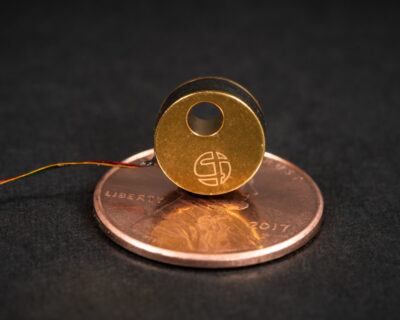
Comprised of zirconium oxynitride, the material and physical properties of the sensor allow for fast thermal response, exceptional heat transfer and several mounting options to suit your application
Zirnox exhibits negligible calibration shifts when exposed to magnetic field and ionizing radiation environments
ABOUT
SYSTEM FEATURES
Fast Thermal Response
77K – 4K : 0.412 Secs
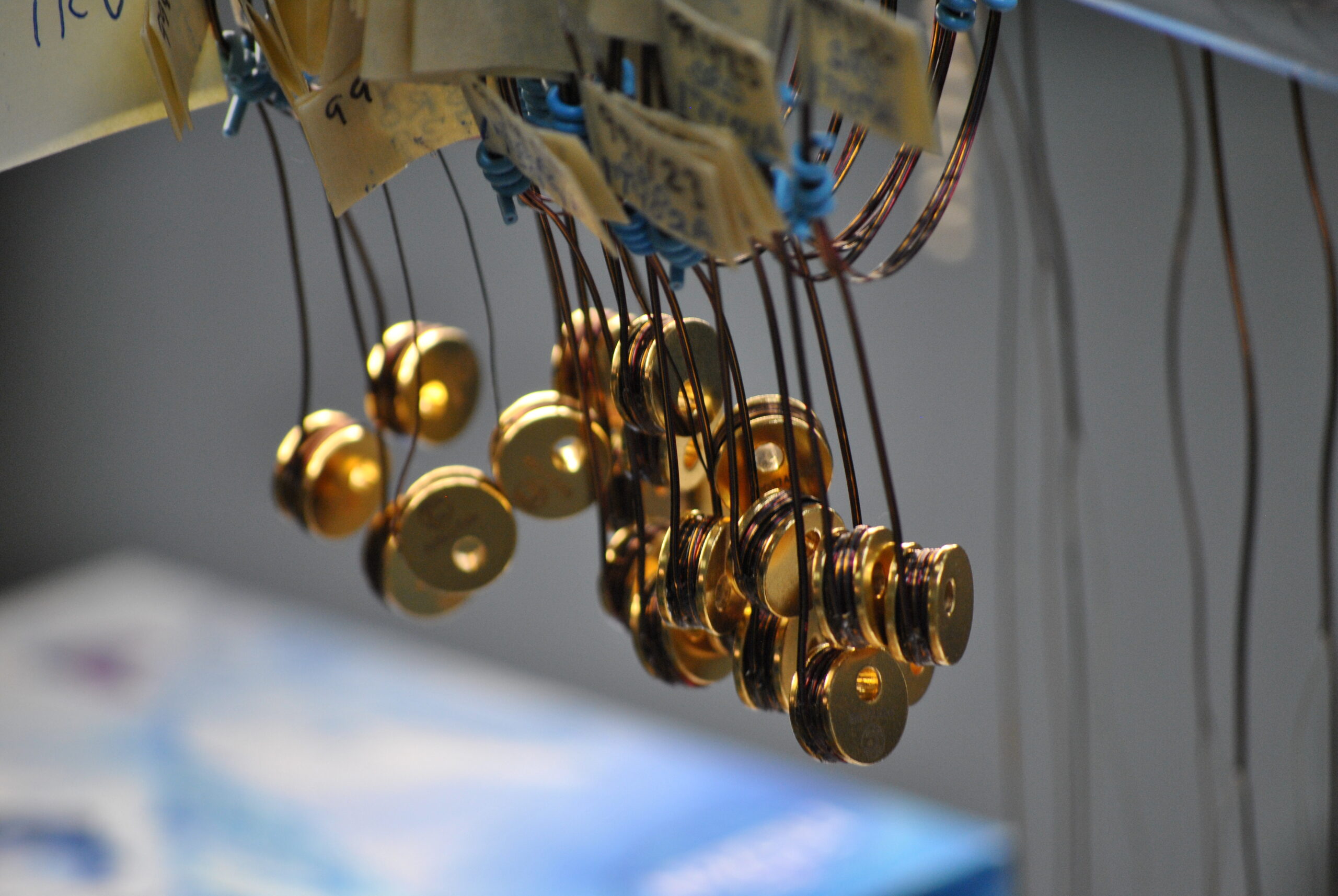
Zirnox sensors are manufactured from a thin film of zirconium nitride deposited on a ceramic substrate.
This material has an extremely low heat capacity, enabling the sensor to react rapidly to temperature variations.
Weak Magnetoresistance Effect
Unlike other temperature sensors (e.g., silicon diodes or platinum RTDs), Zirnox sensors have minimal resistance variation in strong magnetic fields. This ensures accurate temperature readings even in fields exceeding 10 Tesla
Chemical and Mechanical Durability
They are resistant to mechanical stress and chemical degradation, ensuring long-term reliability in extreme cryogenic and high-field environments
Radiation Hardness
Zirnox sensors are highly resistant to radiation damage, making them suitable for space applications, particle accelerators, and nuclear environments
High Sensitivity
Their resistance changes significantly with temperature, allowing for precise measurements even at extremely low temperatures
Accurate and sensitive on a large T° range
Capable of operating over the largest temperature range in the industry (0.02K to 450K)
PRODUCT
SPECIFICATIONS
Calibration
- Calibrated “NN” (Range 1.4K to 450K): +/- 0.01K from 1.5K to 25K & +/- 0.03K from 25K to 100K & +/- 0.05K from 100K to 450K
- Calibrated “E” (Range 0.02K to 450K): +/- 0.005K from 0.02K to 0.15K, 0.01K from 0.15K to 1.5K, +/- 0.025K from 1.5K to 4.2K, +/- 0.05K from 4.2K to 450K
- Uncalibrated
Thermal Response Time
- 0.093" Copper Canister, 300K 4K : 3.931 Secs (62.5%)
- 0.093" Copper Canister, 77K 4K : 0.412 Secs (62.5%)
Typical errors ΔT(H)/T
- Zr2 (20Ω) 0.066%@2T 0.31%@5T 0.38%@10T 1.5%@15T
- Zr4 (40Ω) 0.12%@2T 0.000%@5T 0.18%10T 1.05%@15T
OTHER
OPTIONS
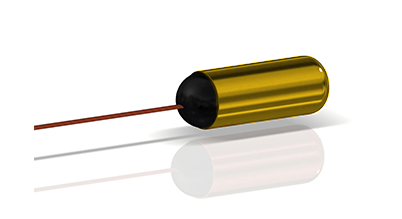
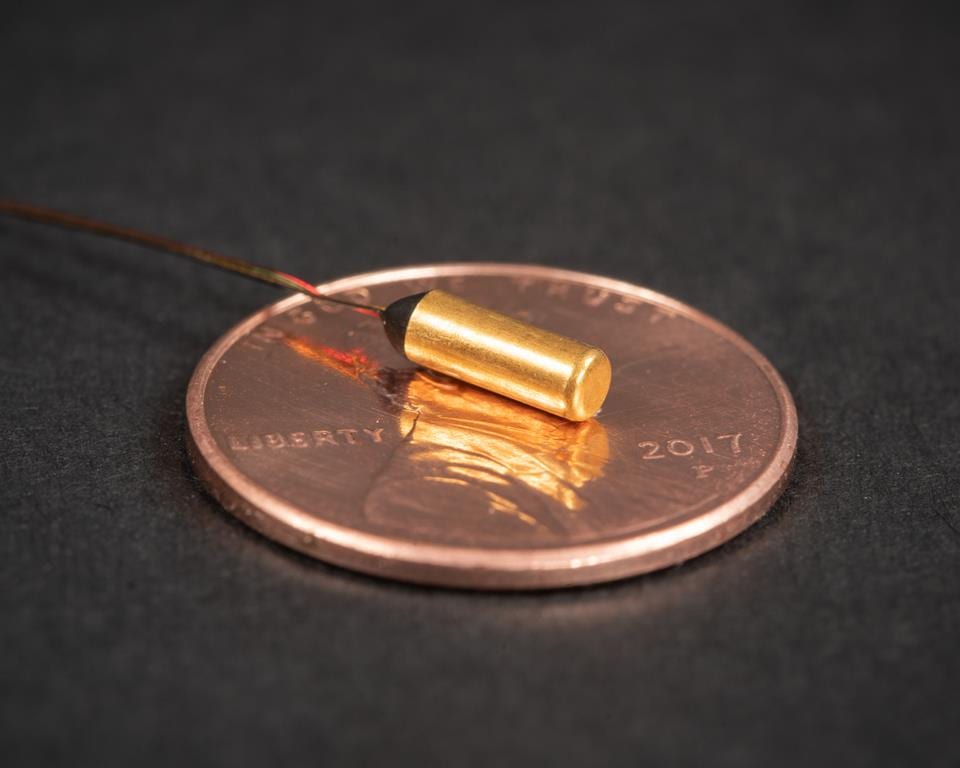
Canister Package
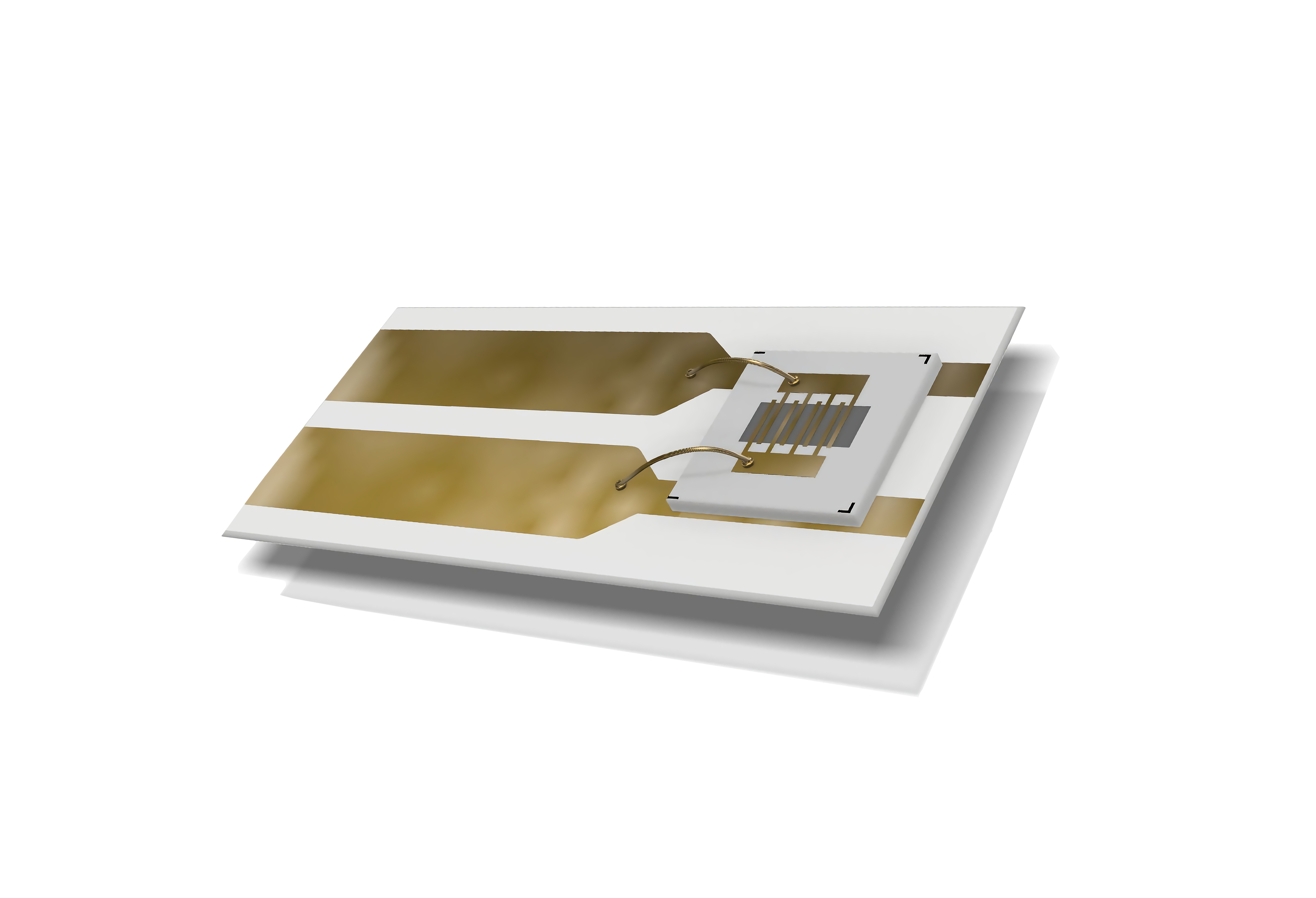
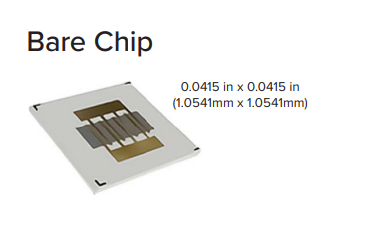
Exposed Substrate
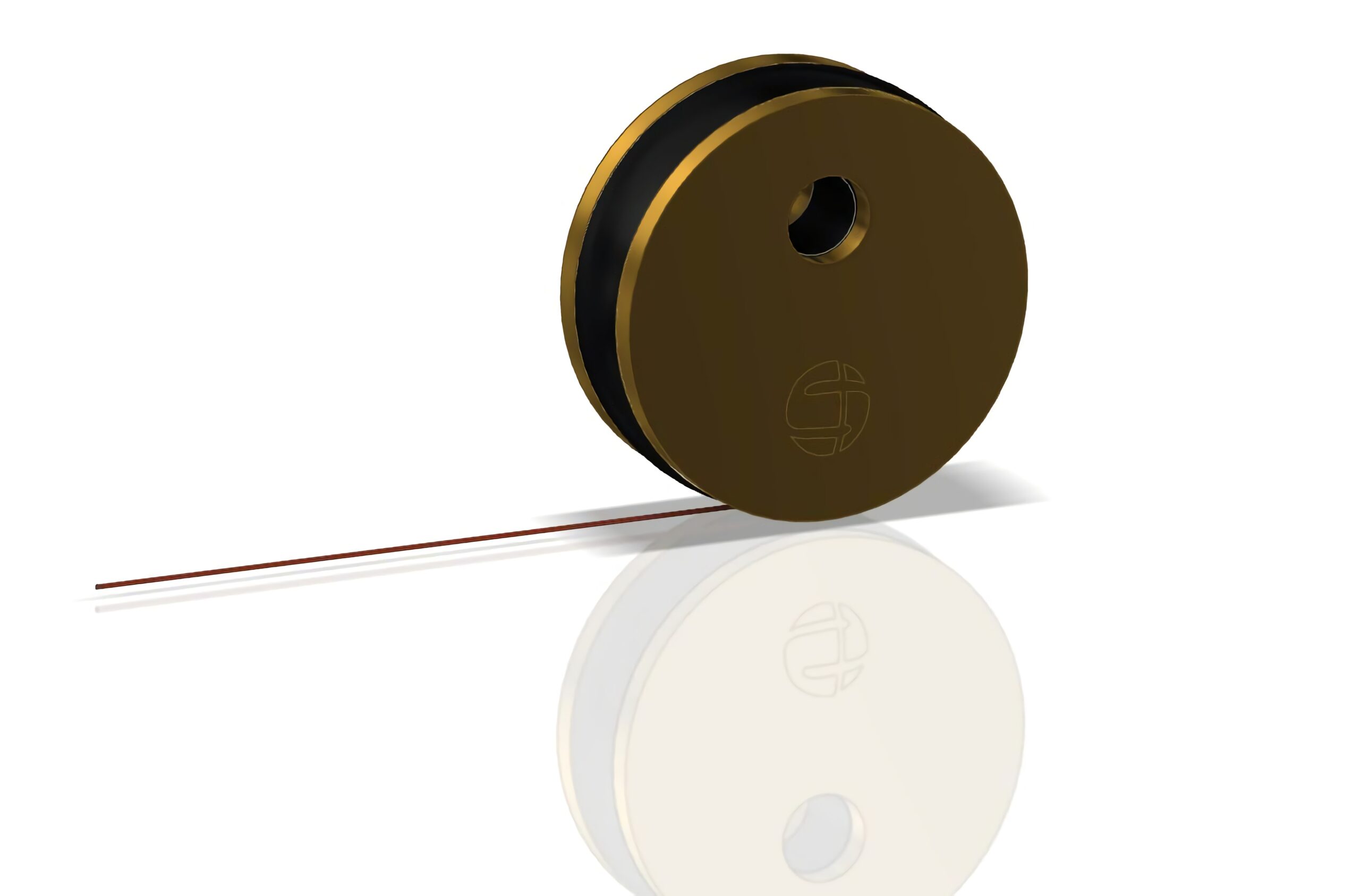
Model 22 Bobbin
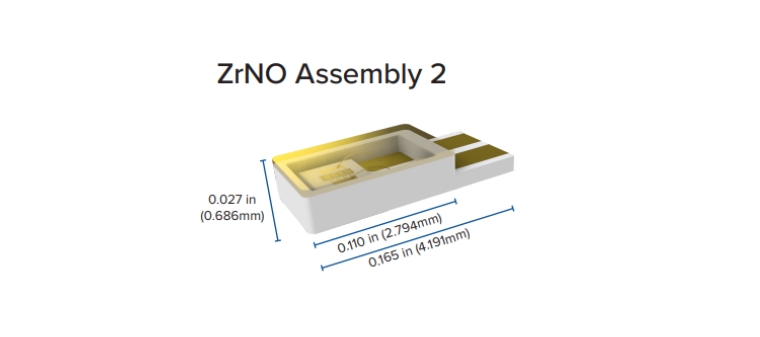
ZrNO Assembly
Model 22 Bobbin
How and Why
Game Changer on these applications
1
Quantum computing
Minimal Self-Heating.
Weak Magnetoresistance Effect.
Accurate and sensitive at all cryostat temperature stages.
Typicals sensor accuracy +/- 0.005K at Ultra-Low T°.
2
Space and aerospace missions
Highly resistant to ionizing radiation.
Ensuring long-term reliability in space missions where recalibration is impossible.
Highly stable in environments with high magnetic fields.
Requires very low excitation currents, reducing power consumption.
3
Low-temperature physics
Function reliably from millikelvin (mK) levels up to 450 K.
Exhibit a large resistance change with temperature, allowing precise measurements even in extremely cold conditions.
Minimal resistance variation in high magnetic fields (>10 Tesla).
4
Fusion reactors and particle accelerators
Resistant to radiation damage.
Minimal Magnetoresistance Effect.
Stable in variable magnetic fields, ensuring precise temperature control in dynamic plasma environments.
Performs well in ultra-high vacuum (UHV) conditions.
5
Liquid hydrogen infrastructures
Wide Temperature Range covering all phases of liquid hydrogen (boiling point at 20.27 K).
High Sensitivity allowing precise control and monitoring of hydrogen storage and transfer systems.
Low Excitation Current reduces heat dissipation, preventing unwanted temperature variations in liquid hydrogen systems
reviews
they liked it
For over 50 years Scientific Instruments has provided product and services that exemplify our expertise in cryogenic measurement. Although we support niche markets out of our facility in South Florida, we have a global reach. Being diversified has helped us to sustain our business over the years.
We are committed to providing the very best customer service and product support with our experienced staff and other fully trained, global distributors and representatives. Our team is committed to our goals and vision to be the worldwide leader in cryogenic measurement technology through continued innovation and advancements in technology

For more than 55 years, Scientific Instruments (SI) has been the quiet force behind everything from the Apollo lunar landings to today’s quantum computers.
If your program needs radiation-hard, field-immune sensors, flight- or H2 immerged-certified probes, or one sensor that spans milli-kelvin to 450 K, Scientific Instruments is the sharper tool in the box.
By joining forces with this illustrious company, Qnity has sealed a high-impact partnership for research and several strategic European industries (fusion, accelerators, aerospace, quantum, hydrogen mobility…).
Scientific Instruments supplies cryogenic instrumentation specially adapted to this type of need, with the very high level of traceability required.